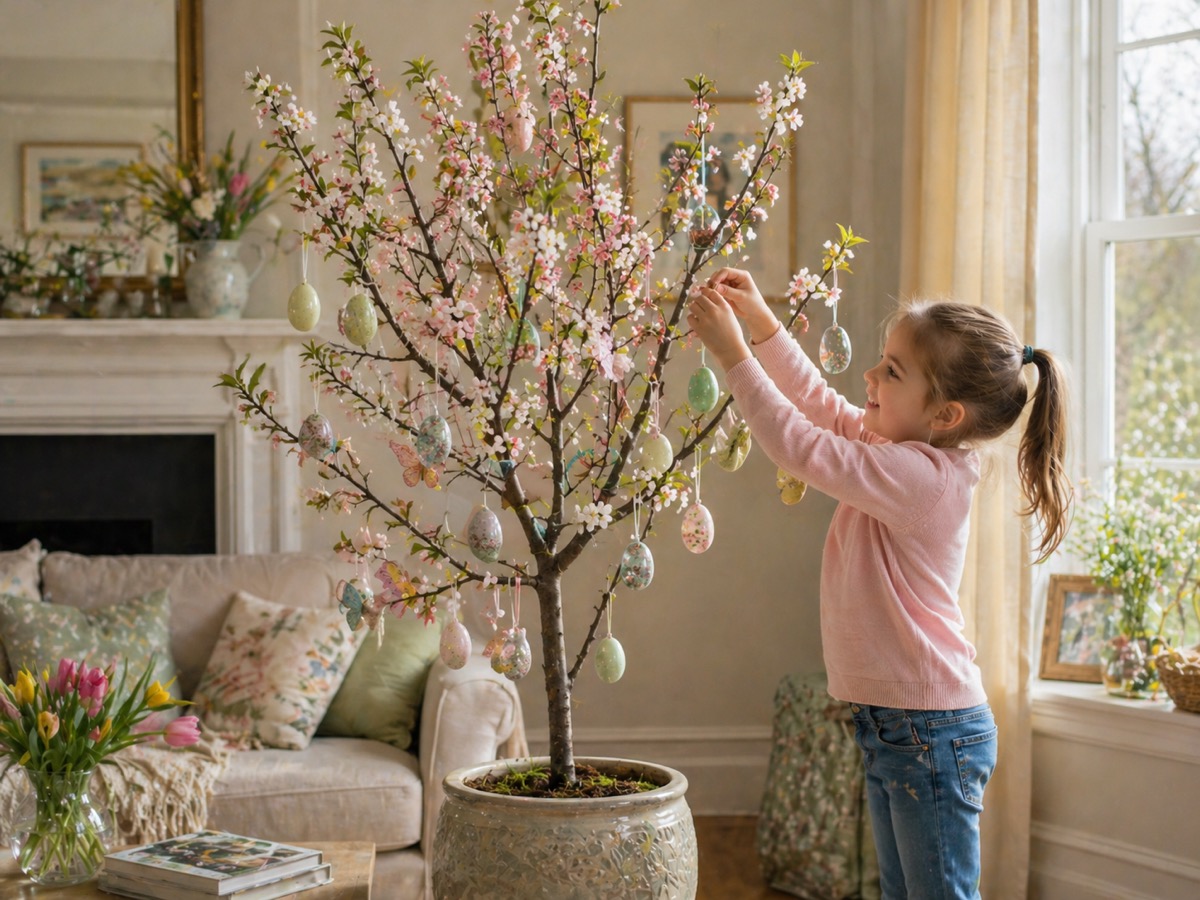
Buy a tree. Decorate it. Plant it. Return to it.
A new British tradition in four acts. Bring a small blossom tree home for the weeks before Easter. Let it become part of the household. On Easter Sunday, plant it. Then come back the next year — and find it taller.

Where this comes from
Every country has a way of marking spring. Japan has hanami — picnics under cherry blossom, a national pause when the petals open. The survivor cherry trees of Hiroshima have, for eighty years, been a symbol of peace and renewal. Britain has wassailing in apple orchards, Maypoles on village greens, hot cross buns and simnel cake — all small ceremonies that mark the turn of the year. The Easter Tree borrows from all of them. Blossom in your home. Bird food and biodegradable hopes on your tree. A planting that gives something back. A returning, year after year, to see what grew.
The Bringing Home
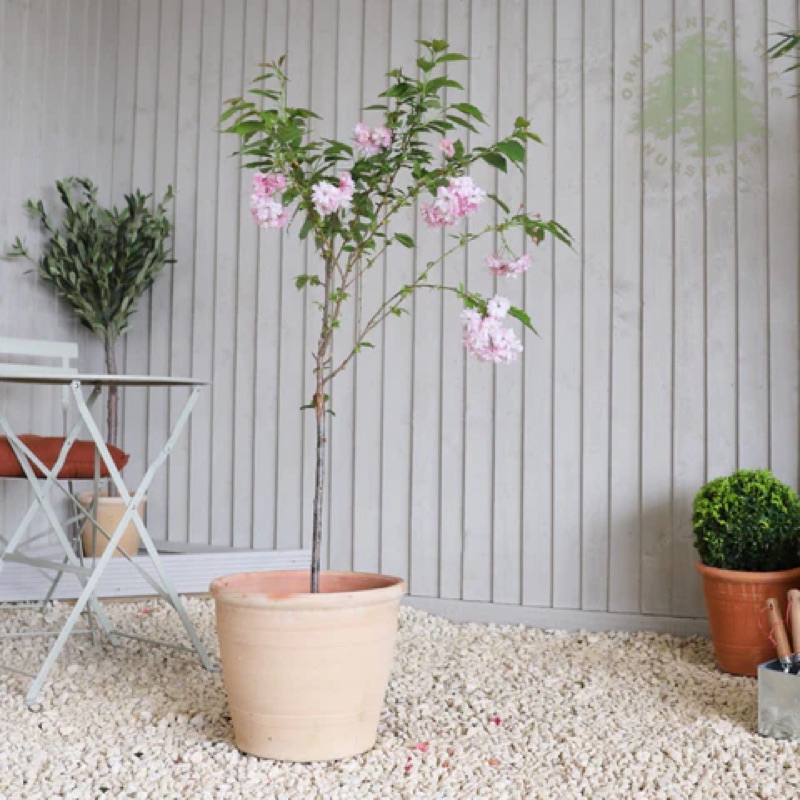
Pick up your potted blossom tree from a local garden centre. Bring it through the front door. Decide where in the house spring will live this year — the kitchen table, the hallway, the windowsill. The tree stays with you for the weeks before Easter, like a Christmas tree in reverse: as the days lengthen, the buds open, and the household season begins.
The tree is alive. It's happy indoors for weeks if you keep it cool and bright, away from radiators, and water it when the surface of the soil starts to dry. Some families bring theirs home in early Lent. Some pick one up the week before Easter. Both are right. The longer the tree is with you, the more it earns its place in the household — and the more meaningful it becomes when it goes outside.
One thing to know. Decoration takes time, and no-one wants to spend Saturday decorating something they un-decorate on Sunday. Plan for a tree that's at home for at least a week. A fortnight or three is better. The slow accumulation — a sweet from a guest, an egg the kids painted, a hope written on a quiet evening — is most of the tradition.
The Decorating
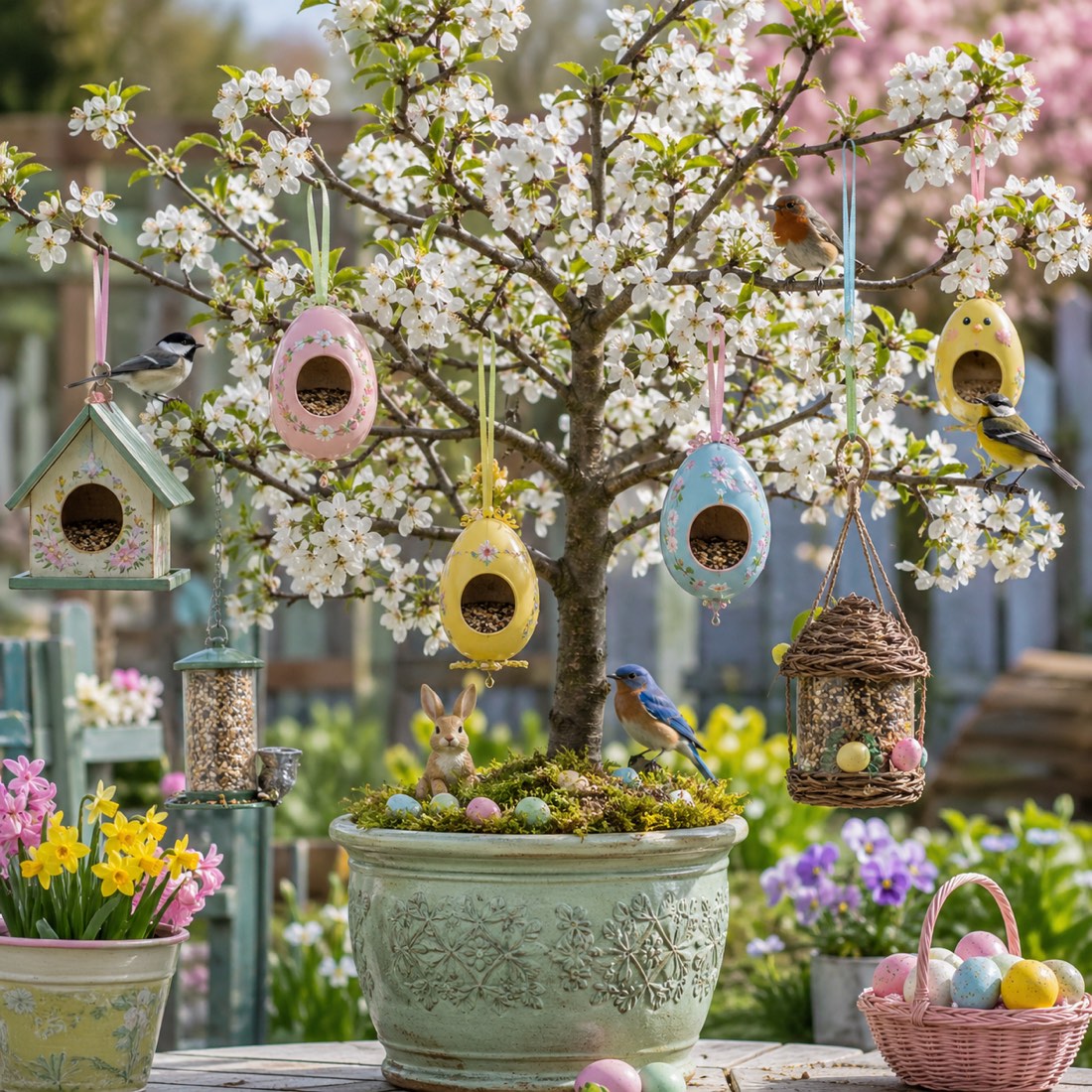
This is the warm part. The tree gets dressed. Things accumulate over days and weeks — a chocolate egg here, a paper flower there, a hope on rice paper. There is no right way. The only rule is that blossom trees have delicate branches: think jewellery, not baubles.
Painted wooden eggs on a thread. The same ones every year. The first year they're new. By year ten they're family.
A piece of edible rice paper. Write something you wish for, fold it, hang it. When the tree goes outside, the birds take the rice paper too, and your hope goes with them. More on The Hope →
The signature ornament. A small flower-shaped suet cake threaded with seed and twine. Indoors as decoration, then outdoors as bird food on planting day.
Tiny foil-wrapped chocolate eggs tucked among the branches. Or — for grown-up gatherings — a single salted-caramel truffle, a boozy egg, or a dried edible flower.
A blossom tree with three or four small things placed on it looks beautiful. A tree groaning under decorations looks wrong. Less is more.
A quiet ritual
Write a hope.
Hang it on the tree.
Let the birds carry it.
Easter is the festival of hope and renewal. If you'd like, write a hope on a piece of edible rice paper — a wish, a person you're thinking of, a word that matters. You don't have to share it. When the tree goes outside, the birds take the rice paper too. Your hope goes with them.
A prayer for someone. · A wish for the year. · A person you've lost.
All three are right. The page is open.
The Planting
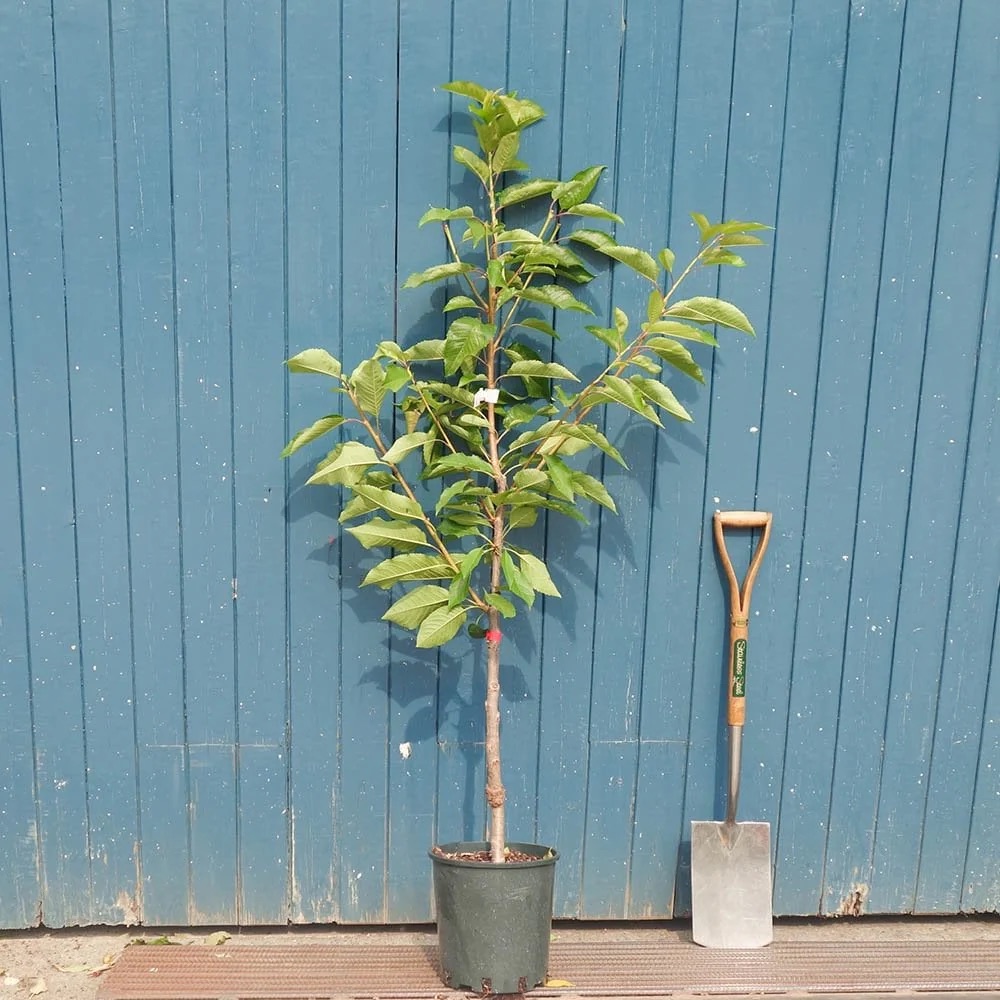
On Easter Sunday — or whenever in the weekend works for you — the tree comes off the table and goes into the earth. In your garden, in a pot, on a balcony, or at a community planting site near you. The tree's life as a member of your household ends. Its life as a member of the landscape begins.
Before you plant. Take off everything that isn't biodegradable — foil, plastic, wire, synthetic ribbon. Eat the chocolates. Save the wooden eggs for next year. Once the tree is outside, anything that stays on it has to be safe for birds and able to break down naturally.
What can go on the tree once it's planted. Suet blossoms. Seed eggs. Dried fruit garlands. Rice paper hopes. Natural twine. Everything edible, everything biodegradable. The tree turns from a thing for people into a thing for nature.
Where to plant. Your own garden if you have one — sunny and sheltered is best. A balcony pot if you don't. Or take it to a community planting site near you and contribute to a vision that grows over years: a Cherry Ring closing around a village green, a Blossom Walk lining a canal towpath, an orchard taking shape on farmland. Planting at home is a private act. Planting at a community site is a public one. Both count.

The Returning
This is the act that turns an event into a tradition. Some weeks after planting — the first warm weekend in June, midsummer, your birthday, whenever — go back to the tree. See what grew. Take a photo from the same angle as last year. Bring a flask if it's far. Bring a child if you have one. Stand a moment.
The first time you visit a tree you planted a year ago and find it taller, leafing, alive — that is the moment Easter Trees becomes a thing your household does. Without the Returning, you have an event. With it, you have a tradition.
Then next spring, a new tree comes home. A new Easter, a new hope, a new planting — and now there are two trees to return to. Then three. Then a small ring of them you helped close.
The first spring, people will say "that's a nice idea." The third spring, "we should do that too." The tenth spring, "we've always done this." That's how a tradition starts — patchy, then everywhere.
The rhythm of the year
No-one's grading you on the calendar. But these are the suggested beats — small handles to hang the tradition on. You can do all four, or just one, or none at all.
-
Lent or the week before Easter
The Bringing Home.
Pick up your tree from a local garden centre. Decide where in the house it will live.
-
Holy Saturday (the eve)
The Decorating.
The household gathers. Things go on the tree. Hopes get written. The kettle is on.
-
Easter Sunday
The Planting.
The tree leaves the house. It goes into the ground at home or at a community spot.
-
Trinity Sunday or the first warm weekend in June
The First Returning.
You visit your tree. You take a photo. The tradition compounds.
You're not doing this alone
Wherever you are this Easter — in a kitchen in Knebworth, a flat in Glasgow, a garden in Cornwall — somewhere else in Britain another household is doing exactly this. Decorating a small blossom tree. Writing a hope on rice paper. Getting ready to plant. The whole point of a tradition is that it joins you to other people, even when you can't see them.
Share what you do — a photo of your tree on the table, your hope going on, your planting day, your returning. Tag @eastertrees or use #EasterTrees. Year on year, the gallery becomes the proof: this is a thing now.
Start this Easter
The first year is always the hardest year. After that, it's just what you do.